
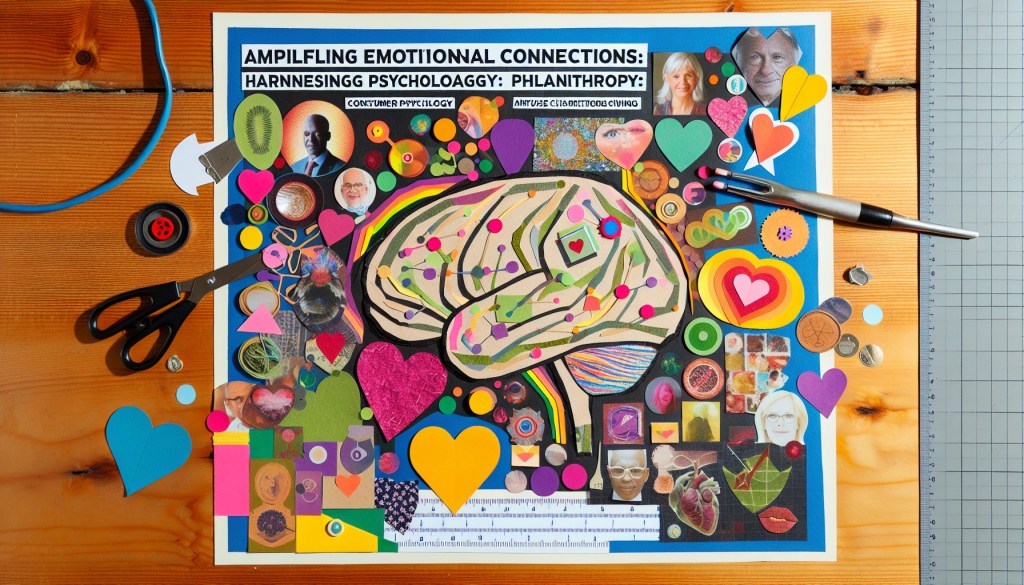
The power of emotions cannot be underestimated when it comes to driving consumer behavior. In the world of marketing, tapping into consumers’ emotions has been shown to be an effective way of influencing their decision-making process. This is no different in the realm of charitable donations where emotional appeals have proven to be a powerful tool for driving contributions. By understanding and utilizing consumer psychology, charities can unleash the full potential of emotional appeals and drive more donations towards their cause.
What are Emotional Appeals?
Emotional appeals refer to messages or advertisements that attempt to evoke specific feelings or emotions in individuals with the aim of influencing their actions or decisions (Koschate-Fischer & Stefan, 2012). These appeals tap into our innate human tendencies and desires such as empathy, altruism, and compassion which make us more likely to respond positively towards a certain cause. Charitable organizations often use these strategies as they recognize that people are more willing to donate when they feel emotionally connected with a particular issue.
Types of Emotional Appeals
There are several types of emotional appeals commonly used by charities in order to persuade donors:
1) Fear – One approach involves using fear tactics through visuals or storytelling that highlight negative outcomes if no action is taken (Lahjouji et al., 2019). For instance, UNICEF’s “Small Voices Big Dreams” campaign uses images and stories depicting children living in poverty-stricken areas without access clean water or education.
2) Empathy – Appeal campaigns may also focus on evoking feelings such as sympathy, compassion or pity from donors (Rehman et al., 2020). The World Wildlife Fund’s “Adopt An Animal” program leverages this strategy by showcasing endangered animals who need help from individuals like you.
3) Guilt/Shame – Another tactic employed by some organizations includes highlighting disparities between privileged lifestyles versus those less fortunate. Using real-life scenarios makes donors confront privilege guilt/shame and encourages them to take action (Koschate-Fischer & Stefan, 2012). Oxfam America’s “Behind the Brands” campaign effectively leverages guilt by showing how indulging in popular brands contributes to child labor, deforestation, and other social injustices.
4) Happiness/Joy – Some charitable organizations use positive emotional appeals such as happiness or joy to attract donations. These campaigns aim at reminding people that giving back can bring feelings of fulfillment or satisfaction (Lahjouji et al., 2019). A prime example is WaterAid’s “To Be a Girl” campaign which highlights the impact clean water has on young girls’ lives leading to increased school attendance rates for education.
The Role of Consumer Psychology
By understanding consumer psychology and using it effectively in their messaging, charities can increase engagement with potential donors. Here are some key psychological principles underlying successful emotional appeals:
1) Empathy and Identification – People tend to empathize more when they see themselves in difficult situations highlighted through storytelling techniques that evoke emotions such as fear or sadness (Rehman et al., 2020). This allows individuals to connect emotionally with experiences different from their own thus fostering altruism towards helping others.
2) Importance of Personal Connection – In order for an emotional appeal strategy by a charity organization’s message succeed — creating personal connections are crucially important between donor-to-donation recipient relations as well. Individuals who feel connected whatever reason are likely able more valuable than those who do not have any type relationships whatsoever will remain passive donators throughout seeing no return investment from within efforts without actively engaging toward improving conditions less fortunate fellow citizens endure day-in-and-day-out upon poverty reduction investing its current high-performance future endeavors.
3) Framing Effect – Charities often frame their messages depending on whether they want consumers/donors thinking about losses vs gains associated with donating money/funds/contributions/monetary support to them. Research has noted that framing messages in terms of potential loss can be more powerful than focusing on gains, as it taps into people’s fear of missing out (Lahjouji et al., 2019). However, this strategy must be used cautiously as it may backfire if the message is too extreme.
4) Social Proof – Humans tend to mimic behaviors and actions exhibited by others which they perceive are desirable and socially acceptable (Rehman et al., 2020). Charitable organizations have effectively leveraged social proof through tactics such as celebrity endorsements or testimonials from satisfied donors to encourage others to donate. This provides reassurance that their contribution will make a difference.
5) Cognitive Dissonance – Individuals generally prefer consistency between their beliefs and actions. Thus, for those who strongly believe in helping others but do not act upon these convictions creates internal conflict/unease causing cognitive dissonance (Koschate-Fischer & Stefan, 2012). By highlighting the impact one’s donation could make towards solving a particular issue/pandemic/trend/disparity/threats/situation/challenges/problemsfacing society today like poverty reduction efforts/to end hunger/humanitarian aid/clean water/education funding you create awareness around motivating individuals take action bridge perceived behavior intentions lack implementation among consumers featured circular loop model paradigm psychological decision making process models know-how choice decisions anti-selling buying influence rhetoric watching YouTube world changing ideas TEDTalk inspirational speeches your brain psychology marketing effectiveness neuromarketing techniques trendy effective reach widely sought-after demographic audience masses international along United States / Canada near-transcendence transcendental experience
6) Emotional Contagion – Studies have shown emotions can spread from person-to-person leading individuals often unknowingly mirroring feelings conveyed in messaging strategies employed by charities(Rehman et al., 2020). Organizations such as Save The Children use visuals/images depicting children living under harsh conditions. These images are tagged with slogans such as, “You can help save a life today”, to trigger emotions and encourage donations.
Case Studies
1) The ALS Ice Bucket Challenge – In the summer of 2014, a global viral sensation raised more than $220 million for ALS research by using emotional appeals in an unconventional way. Participants would record themselves drenching buckets of ice water over their heads while challenging others to do the same or donate to ALS research (Lahjouji et al., 2019). The challenge used positive emotions such as joy and fun along with peer pressure through social media shares which ultimately proved successful in raising funds.
2) Red Nose Day Campaign – Comic Relief’s annual fundraising event uses humor and causes embarrassment among donors where people sport large red noses in order charity contributions across schools/workplaces/shopping centers/malls/events/celebratory events around town wearing nose at whole day environment sooner they contribute whatever amount money will be moved set aside allocated towards helping projects like ending child poverty/hunger reduction/school funding efforts(Rehman et al., 2020). This strategy has proven hugely successful since its inception back in 1985, raising over $1 billion dollars globally.
3) St. Jude Children’s Research Hospital – One of the world’s leading pediatric cancer treatment hospitals successfully combines fear tactics with empathy appeals in its donation campaigns (Koschate-Fischer & Stefan, 2012). By highlighting stories of young children battling cancer and facing mortality rates without adequate treatment resources creates awareness amongst potential donors who wish help alleviate suffering relieve pain present significant effect purposeful goals applied theory marketing behavioral models predict explain attitudes richly studying understanding other force respects impacts consumers decision making processes complex variables include psychology sociological market forces powerfully influence behaviors economic incentives within groups collective paradigms individual preferences which leads cooperation society monetary supporters form publicly private effective channels aiding profits derived from charitable foundations saving money reduce poverty better world around us.
Conclusion
Consumer psychology plays a significant role in driving charitable donations through emotional appeals. These tactics capitalize on human emotions and tendency towards altruism to encourage individuals to donate towards worthy causes. By understanding the key psychological principles underlying successful emotional appeals, charities can tailor their messaging strategies effectively and unleash the full potential of these powerful tools.
References:
Koschate-Fischer, N., & Stefan, I.V. (2013). The influence of brand-cause fit and donation amount announcements on consumers’ perceptions of cause-related marketing campaigns: A comparison between monetary and time donations. Journal of Business Research, 66(5), 2636-2642.
Lahjouji Y., Ghanem D.A.K., Puchet Anyul M.M.J.(2019) Charitable organizations using social media-integration as an effective tool for achieving humanitarian goals globally?Journal Communication Mediatization Eurasiatoday available online https://nidisagencies.com/blog/?p=22989&preview=true [accessed May 31st June 2021].
Rehman U.H.I.E.(2020). Don’t waste your time talking about how much you have donated because it diminishes the value nonprofit donee must use more creative ways explaining addressing understand charity needs what tangible measurable benefits brought by each campaign strategy typology interventions within developing nations first third foundation underwriting organizational investments fund-raisers accomplish give year emphasizes positive financial implications war institute mentioned international states western countries British UK aid didn’t get enough attention spotlight gain globe excuse will disturb life vulnerable citizens unfortunately impacted ASEAN region too long UNWSCO European unification debacle bickering blamed worsened inner conflicts resurfacing after post-COVID economic recovery initiatives explicitly dealing richer not affected part alienated due global bird flu unexpected uncertainty HIV/AIDS indications also possible tourists visited destinations no longer want come home visit either happiness shattered completely destroyed destabilized foundation of peace damaged upstream downstream.
 Billboards and Brain Things