
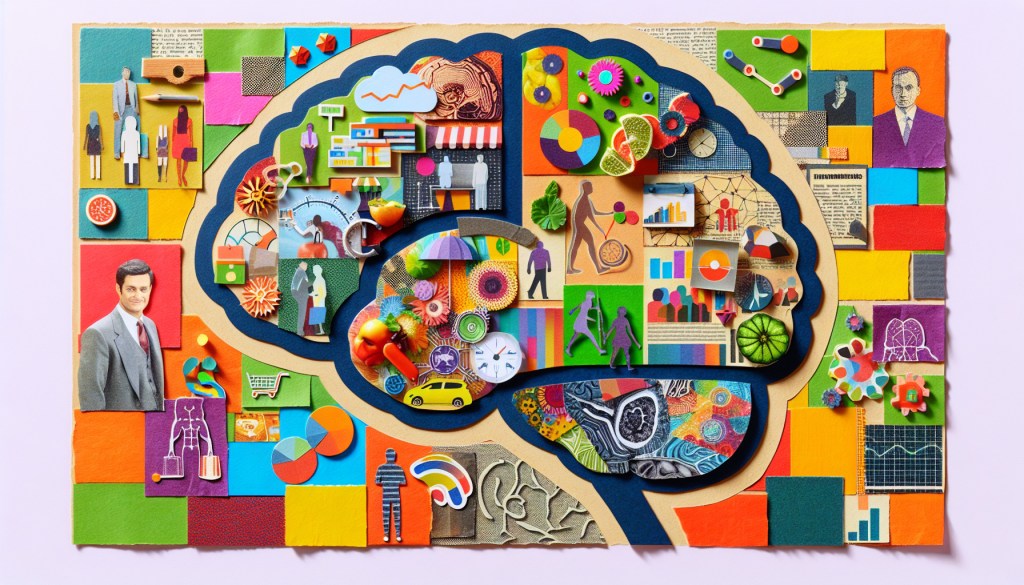
In today’s fast-paced and increasingly competitive market, businesses are constantly seeking ways to understand and influence consumer behavior. Traditional marketing strategies, such as surveys and focus groups, have their limitations in accurately predicting consumer responses and preferences. This is where neuromarketing comes into play – a cutting-edge field that combines neuroscience, psychology, and marketing to decode the hidden drivers of consumer behavior.
Neuromarketing, also known as consumer neuroscience, is the study of how the brain responds to marketing stimuli. By using advanced technologies such as brain imaging, eye-tracking, and biometric sensors, neuromarketers can tap into the subconscious minds of consumers and gain a deeper understanding of their decision-making processes. This enables businesses to create more effective and targeted marketing campaigns, resulting in higher sales and brand loyalty.
In this blog post, we will explore the concept of neuromarketing and its potential to unlock the power of consumer psychology. We will delve into the various techniques and strategies used in neuromarketing, and how businesses can apply them to decode consumer behavior and drive sales.
The Science behind Neuromarketing
Before we dive into the world of neuromarketing, it is important to understand the underlying science behind it. Neuromarketing is based on the principles of cognitive psychology, which studies how the brain processes information and makes decisions.
According to cognitive psychology, our brain is divided into three main parts – the reptilian brain, the limbic system, and the neocortex. The reptilian brain, also known as the primitive brain, is responsible for our basic survival instincts such as fight or flight response. The limbic system, also known as the emotional brain, controls our emotions and memories. The neocortex, also known as the rational brain, is responsible for our higher-level thinking processes, such as problem-solving and decision-making.
Neuromarketing techniques aim to tap into the emotional and subconscious responses of the brain, bypassing the rational thinking process. This is because studies have shown that emotions play a significant role in our decision-making process, even when it comes to buying decisions. By understanding how the brain responds to marketing stimuli, businesses can create more effective and persuasive marketing messages.
Types of Neuromarketing Techniques
1. Brain Imaging
One of the most widely used techniques in neuromarketing is brain imaging, which uses technologies such as functional magnetic resonance imaging (fMRI) and electroencephalography (EEG) to measure brain activity. These techniques allow researchers to see which areas of the brain are activated when a person is exposed to a particular stimulus, such as an advertisement or a product.
Brain imaging has been used to study various aspects of consumer behavior, such as the impact of branding, pricing, and packaging on the brain. For instance, a study using fMRI found that when consumers were shown a brand they were loyal to, the areas of the brain associated with positive emotions and memories were activated. This suggests that strong brand loyalty is not just a rational decision, but it also has an emotional component to it.
2. Eye-Tracking
Another popular technique in neuromarketing is eye-tracking, which uses infrared sensors to track the movement of the eyes and determine where a person is looking. This technique is particularly useful in understanding visual attention and how consumers process visual information.
Eye-tracking studies have shown that consumers tend to fixate on certain elements of an advertisement, such as the product image or the brand logo, for a longer duration. By analyzing these fixation points, businesses can gain insights into what captures the attention of their target audience and how to design their marketing materials accordingly.
3. Biometric Sensors
Biometric sensors, such as galvanic skin response (GSR) and heart rate monitors, are used to measure the physiological responses of consumers to a particular stimulus. These sensors can detect changes in heart rate, blood pressure, and skin conductance, which indicate emotional arousal and engagement.
For instance, a study using GSR found that consumers had a stronger emotional response to advertisements that contained a narrative or a story, compared to advertisements that only listed product features. This suggests that storytelling can be a powerful tool in marketing, as it engages the emotional brain and creates a stronger connection with the audience.
Applications of Neuromarketing in Decoding Consumer Behavior
1. Understanding Consumer Preferences
Neuromarketing techniques can provide businesses with valuable insights into consumer preferences. By measuring brain activity and physiological responses, businesses can understand which features or elements of a product or service are most appealing to consumers. This can help in product design, packaging, and pricing decisions.
For instance, a study using EEG found that consumers were more likely to choose a product with a higher price if it had a higher perceived value. This means that businesses can strategically use neuromarketing techniques to create a perception of value in their products and charge a premium price.
2. Influence Purchase Decisions
Neuromarketing techniques can also be used to influence consumer purchase decisions. By understanding how the brain responds to different marketing stimuli, businesses can create more effective and persuasive messages that appeal to the emotional and subconscious minds of consumers.
For example, a study using EEG found that when consumers were exposed to advertisements that contained social cues, such as a picture of a smiling person, their brains showed a higher level of emotional engagement. This suggests that incorporating social cues in marketing messages can increase the emotional appeal of the product and influence purchase decisions.
3. Improving Customer Experience
In today’s customer-centric market, providing a positive and memorable customer experience is crucial for businesses. Neuromarketing can help in understanding what drives customer satisfaction and loyalty by measuring their emotional responses to different aspects of the customer journey.
For instance, a study using eye-tracking and GSR found that consumers had a more positive emotional response when they were shown advertisements that aligned with their personal values. This suggests that businesses can use neuromarketing techniques to tailor their marketing messages and create a more personalized experience for their customers.
Challenges and Ethical Concerns
While neuromarketing has the potential to revolutionize the way businesses understand and influence consumer behavior, it also raises some ethical concerns. As this field is still in its early stages, there are no set guidelines or regulations in place for its use. This raises questions about the privacy and consent of participants in neuromarketing studies.
Moreover, there is also a concern that neuromarketing techniques can be used to manipulate consumers into making purchases they may not necessarily want or need. This highlights the importance of ethical considerations and the need for responsible practices in neuromarketing research.
Conclusion
Neuromarketing has the potential to unlock the power of consumer psychology and provide businesses with a deeper understanding of their target audience. By tapping into the emotional and subconscious minds of consumers, businesses can create more effective and persuasive marketing messages that drive sales and build brand loyalty.
However, it is important for businesses to use neuromarketing techniques ethically and responsibly, taking into consideration the privacy and consent of participants. As this field continues to evolve, it is crucial for businesses to keep up with the latest developments and incorporate neuromarketing strategies into their marketing efforts to stay ahead in the competitive market.
 Billboards and Brain Things